
Gum Disease Treatment
PERIODONTAL DISEASE
ABOUT TREATMENT
Screening and Treatment
for Gum Disease
PERIODONTAL DISEASE
Gum Disease Treatment
Gum Disease Treatment
Swollen or bleeding gums, receding gums, or a sticky feeling in your mouth
Please contact us if you have any of these symptoms.
What Causes Gum Disease?
Bacteria in dental plaque inflame the gums and can damage the tissues around the teeth. Gum disease may progress with little or no pain and can be advanced by the time you notice it.
What to Expect from Treatment
Laser treatment is also available.
We examine your teeth and mouth to assess how far the gum disease has progressed.
We clean your teeth, show you how to brush effectively, and remove tartar with specialized instruments.
Regular maintenance helps keep gum disease stable. Advanced cases may require surgery.
Laser treatment can help reduce bacteria in periodontal pockets and encourage drainage.
Saliva Testing
A painless saliva test can assess cavity-related bacteria, acidity, the mouth’s ability to neutralize acids, gum condition, and oral cleanliness. The test is paid out of pocket and costs ¥2,200 (tax included).
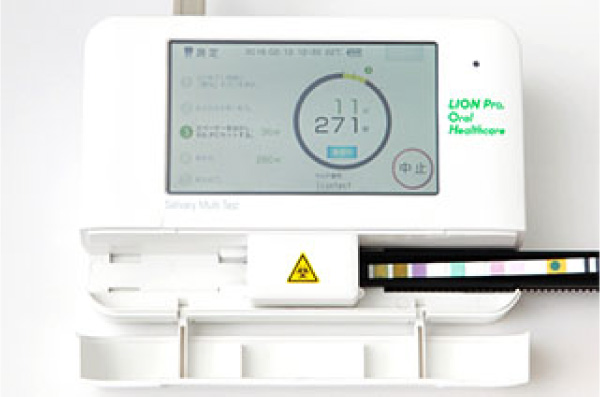
Saliva Testing System (SMT)
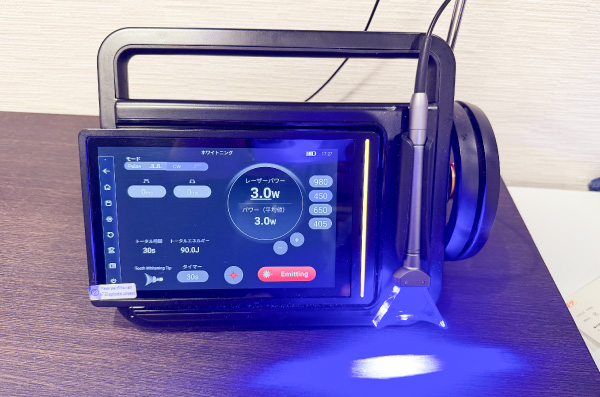
Dental Laser
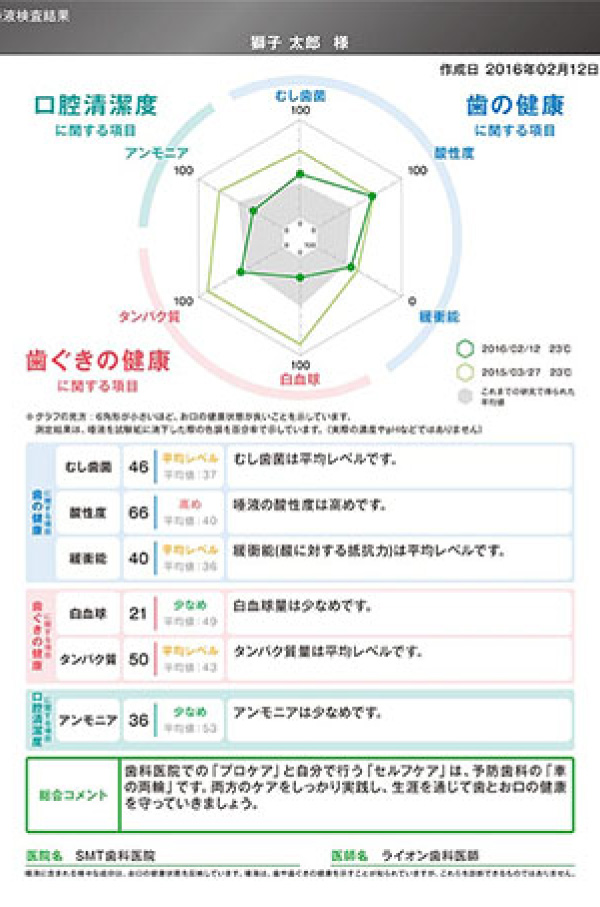
Saliva Test Results
Laser Treatment for Gum Disease
We direct laser light into periodontal pockets to reduce bacteria.
Laser treatment can be performed in a short session and usually causes little discomfort. The light can target areas deep in periodontal pockets that are difficult to reach with instruments.
Laser treatment may also help support tissue healing.
Nonsurgical Gum Disease Treatment with Medication
Oral medication, brushing, and professional cleaning of periodontal pockets
can reduce bacteria and help control gum disease. This treatment is covered by public health insurance.
Help for Bad Breath
Bad breath can be difficult to notice yourself and uncomfortable to bring up.
Oral bacteria are a common cause, and appropriate care can help. Contributing factors may include gum disease, cavities, a coated tongue, and dry mouth. Inadequate brushing or problems with fillings and crowns can also allow bacteria to accumulate.
Sometimes an acetone-like or ammonia-like odor is associated with an underlying medical condition, which may warrant further evaluation.
We examine your mouth to identify possible causes and recommend appropriate care. Please feel free to talk to us about your concerns.
Partner Hospitals
We consult with these hospitals and seek their support for complex cases.

Aichi Gakuin University Dental Hospital